Improved Hydraulic Efficiency & Flow Dynamics
(Enhance Pool Plumbing Efficiency)
Bluewater Pools can help enhance your pools performance with these simple tips for better hydraulic efficiency.

Correct Pipe Sizing
Ensure that the pipes used in the pool plumbing system are appropriately sized. Smaller pipes can cause excessive friction, leading to reduced flow rates and increased energy consumption. Consult a hydraulic engineer or pool professional to determine the correct pipe diameter for your specific pool design and water circulation requirements.

Reduce Pipe Length & Pipe Angle Bends for Improved Water Flow
To enhance system efficiency, minimise the length of pipe runs and the number of bends, which can cause pressure drops and increase resistance. Prioritise straight pipe layouts and employ smooth sweep bends instead of sharp elbows to reduce friction and turbulence, thereby improving water flow. This optimisation not only lowers energy consumption by easing pump workload and enhancing circulation but also extends equipment lifespan and reduces the risk of leaks or damage to PVC materials over time.

Install Flow Control Devices
Consider installing flow control devices, meters in the plumbing system. These will help regulate the flow rate through specific pipes, return outlets ensuring balanced circulation preventing excessive flow through the one area.
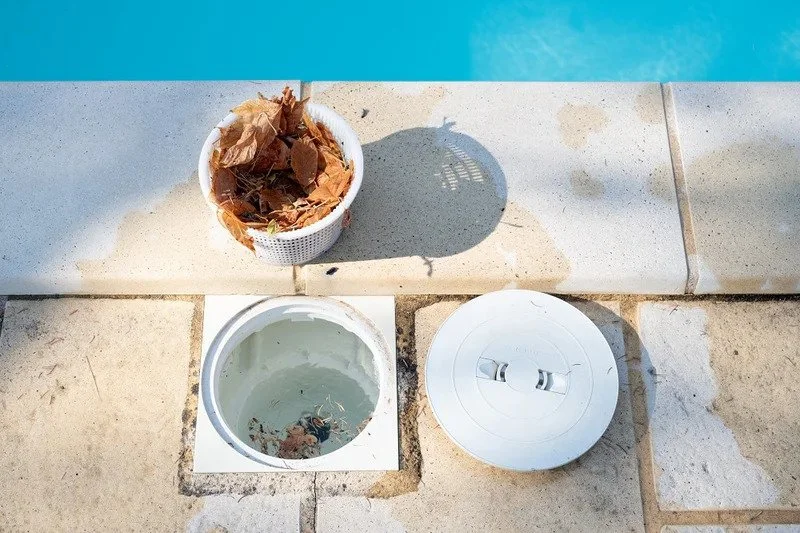
Minimise Obstructions Through Regular Maintenance & Cleaning
Regularly inspect, clear and clean the skimmer baskets, pool cleaners and bags removing any debris or buildup that may restrict water flow. Backwash the pool filter as per the manufacturer’s recommendations. This will provide overall cleanliness and good clarity of the pool water.
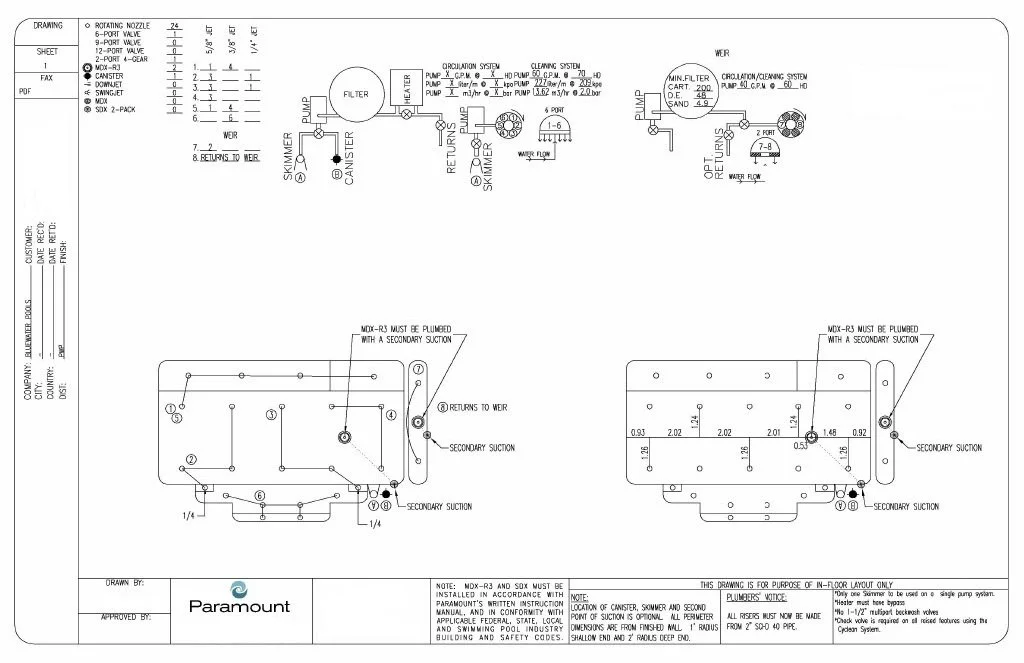
Hydraulic Design Optimisation
If you are constructing a new pool or renovating an existing one, involve a hydraulic engineer or a pool professional in the design process. They will optimise the layout, pipe sizing, and equipment selection to ensure hydraulic efficiency from the start. Proper water circulation is crucial for chemical distribution and effective heating in a swimming pool. Sweep bends promote consistent and uniform flow allowing pool heaters, sanitisers and chlorine generators to operate efficiently for chemical and heating distribution evenly throughout the pool.
Overall, plumbing swimming pools with sweep bends can lead to improved water flow, reduced pressure loss, minimised clogging and maintenance, noise reduction, enhanced aesthetics, increased lifespan of the plumbing system, and efficient heating and chemical distribution. These advantages contribute to a better swimming pool experience for both pool owners and users.